
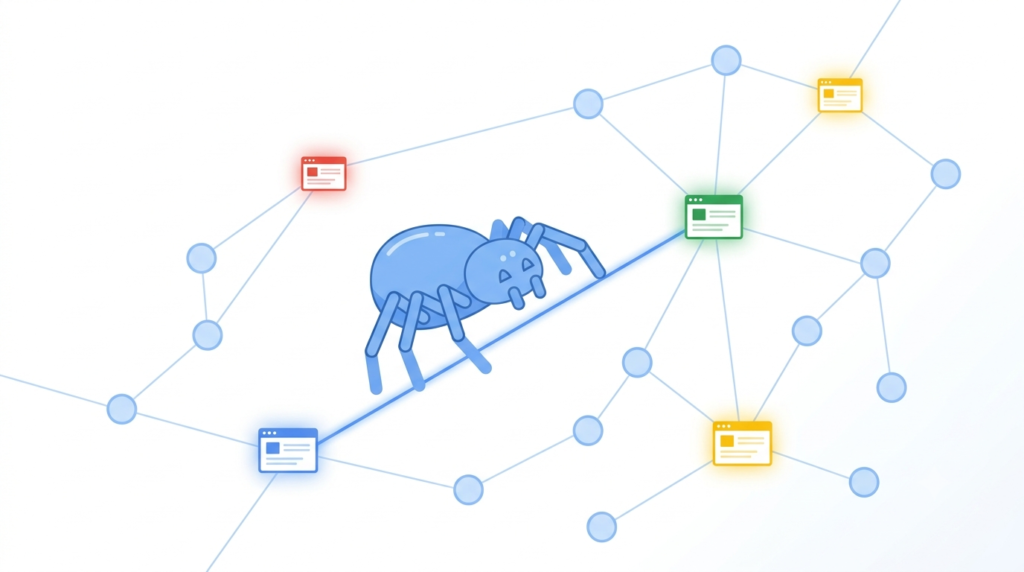
If you’ve wondered how Google discovers your website, Googlebot is part of the answer.
Googlebot is Google’s automated web crawler, often called a search engine spider.
It discovers webpages, follows links, and collects information from websites.
However, crawling alone does not guarantee search visibility.
Google must also process, render, and index your content.
Understanding how the Google crawler works is the foundation of any solid SEO Strategy
What Is Googlebot?
Googlebot is the name Google uses for its web crawling software.
It crawls websites by following links between webpages.
It can also discover URLs through XML sitemaps and other sources.
Google’s web crawler operates through different crawler types, including smartphone and desktop versions.
Today, Google primarily uses smartphone Googlebot for crawling and indexing websites.
This approach supports Google’s mobile-first indexing system.
How Google Crawls Websites
The Google crawler discovers new pages primarily by following links from pages it already knows.
It then follows links to discover additional pages.
It can also discover URLs through submitted XML sitemaps and Google Search Console.
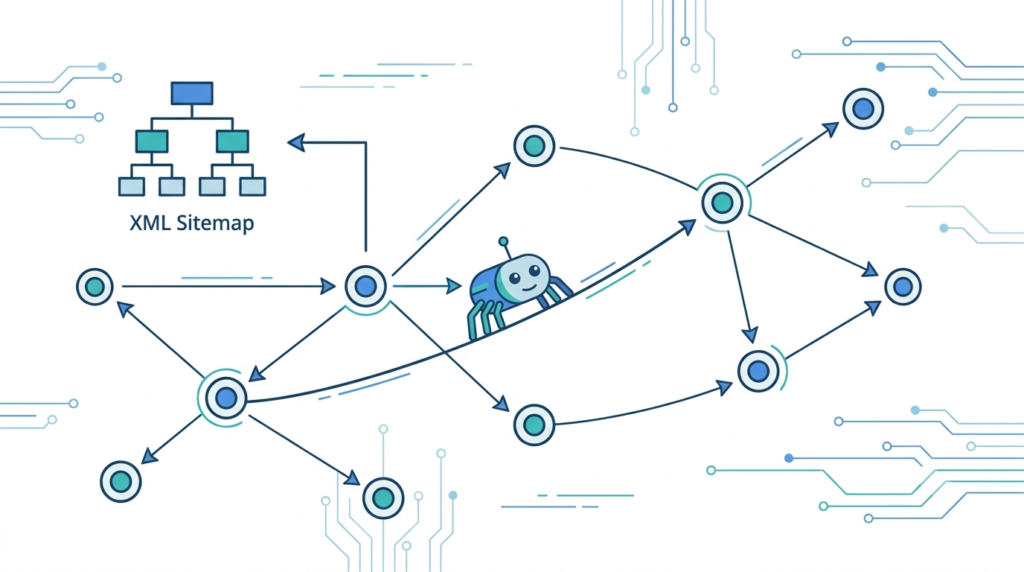
URL Discovery
Internal links play an important role in URL discovery.
They help Googlebot move between related pages across your website.
A page without internal links can become harder to discover.
Therefore, create logical connections between important pages.
Use descriptive anchor text when linking between relevant topics.
This also helps users understand where each link leads.
Googlebot Crawl Budget
Google uses resources carefully when crawling websites.
This concept is commonly discussed as crawl budget.
Crawl budget becomes especially relevant for large or frequently updated websites.
Technical problems can cause Googlebot to spend resources inefficiently.
For example, duplicate URLs can create unnecessary crawling.
Server errors can also prevent Googlebot from accessing important pages.
Therefore, maintain a clean website structure and fix technical issues promptly.
How Googlebot Indexes Content
Crawling and indexing are different processes.
During crawling, Googlebot accesses and discovers webpage content.
During indexing, Google processes information and determines whether content belongs in its index.
Google can analyze text, images, links, and other page resources.
It can also consider structured data and other signals.
However, indexing does not guarantee that a page will appear prominently.
Google uses many systems and signals to determine search result rankings.
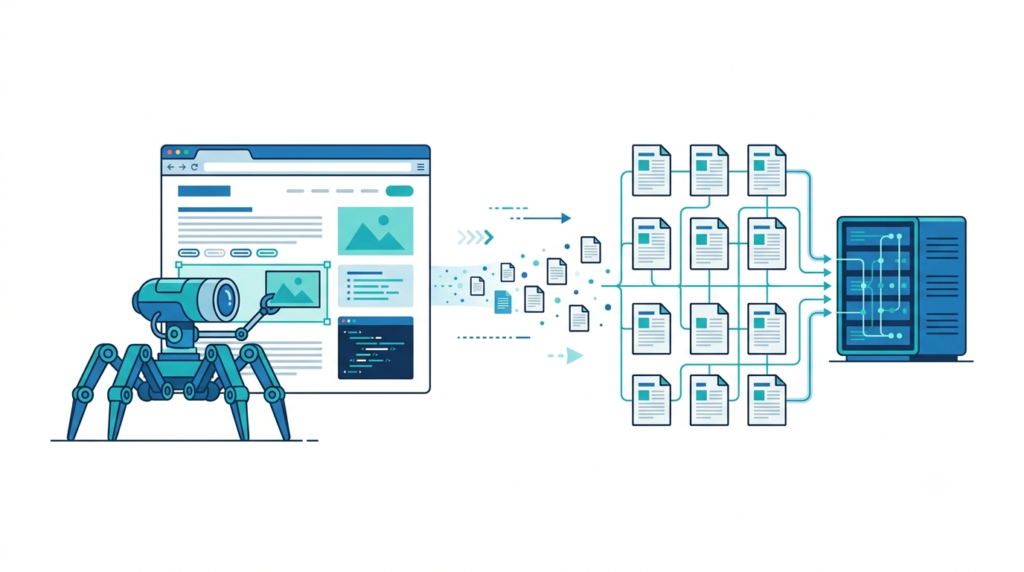
How Googlebot Handles JavaScript
Modern Googlebot can process JavaScript on webpages.
However, rendering can happen separately from the initial crawling process.
Pages that depend heavily on JavaScript require careful technical implementation.
Important content should remain accessible to search engines.
Therefore, test whether essential text and links are visible without relying entirely on JavaScript.
This approach can make your website easier for search engines to process.
Common Googlebot Crawl Problems
Several technical issues can interfere with Googlebot’s access.
Blocked Pages
A robots.txt rule can prevent Googlebot from crawling specific URLs.
Always review your robots.txt file before blocking website resources.
404 Errors
A 404 error means the requested page cannot be found.
Remove broken internal links or redirect suitable URLs when necessary.
Slow Server Responses
Server performance can affect how efficiently Googlebot accesses your website.
Therefore, improve hosting, caching, and technical performance where appropriate.
Unwanted Noindex Tags
A noindex directive tells search engines not to include a page in their index.
Check important pages for accidental noindex instructions.
How to Make Your Website Googlebot-Friendly
Start with a clear and logical website structure.
Then create strong internal links between related pages.
Next, submit an accurate XML sitemap.
Keep important pages accessible and avoid unnecessary URL duplication.
Additionally, monitor your website through Google Search Console.
Look for indexing problems, crawl issues, and unexpected technical errors.
Finally, ensure your mobile website contains the important content found on desktop.
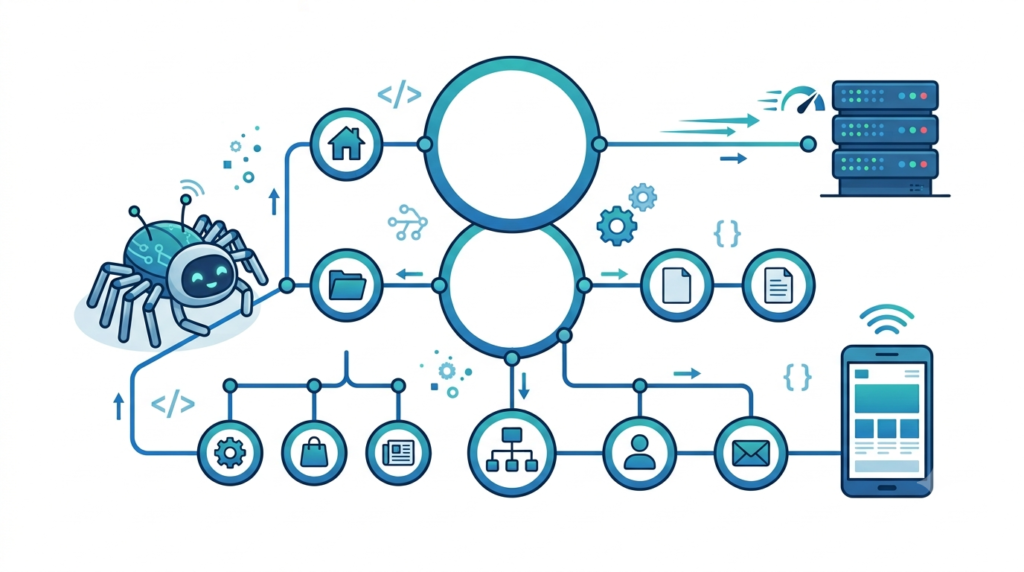
Googlebot and SEO: What Really Matters
Optimizing for Googlebot does not mean writing content only for search engines.
Instead, create useful content that clearly answers searchers’ questions.
Then make that content easy for Google to discover and understand.
Use descriptive titles, clear headings, relevant internal links, and helpful content.
Also, maintain a technically accessible website.
This combination supports both search engines and website visitors.
Conclusion
Googlebot plays an important role in Google’s web crawling process.
It discovers URLs, crawls webpages, processes resources, and supports Google’s indexing systems.
However, crawling does not automatically lead to higher search rankings.
A technically sound website gives Googlebot easier access to your important content.
Therefore, focus on clean architecture, useful content, internal linking, and technical SEO.
When search engines can efficiently access and understand your website, your content has a clearer path to search visibility.