
Introduction to Digital Marketing
A Real-Life Experience From My Neighbourhood
A few months ago, I noticed something interesting happening in my neighbourhood. There’s a small coffee shop just around the corner from where I live. The owner had put real effort into it—great coffee, a warm atmosphere, and reasonable prices. But despite all that, the place was almost always empty. I remember passing by several times and wondering how long they could keep going like that.
Then something changed.
One day, I saw their posts popping up on Instagram—beautiful photos of their coffee, behind-the-scenes clips, even short videos of customers enjoying their time there. Soon after, I noticed they started appearing on Google when I searched for “coffee near me.” They also began encouraging visitors to leave reviews, and slowly, their ratings started climbing.

Within a few weeks, the difference was obvious. The shop that once felt quiet and overlooked was now lively and full of people. I even overheard a couple of customers saying they found the place online.
Seeing that transformation firsthand made something very clear to me—it wasn’t the product that was missing, it was visibility. And that visibility came through digital marketing.
That moment really showed me how powerful digital marketing can be, especially for small, local businesses trying to grow in today’s online-first world.
That shift right there – that’s the power of digital marketing.
In today’s world, people don’t just walk around looking for services. They search, scroll, compare, and decide online. Whether it’s finding a café, booking a hotel, or buying shoes, the journey often starts digitally.
Digital marketing isn’t just for big brands with huge budgets. Small businesses, freelancers, and even individuals use it daily to grow their presence. From running ads to posting content, everything contributes to visibility.
If you’ve ever Googled something, clicked on an ad, or followed a brand on social media—you’ve already experienced digital marketing in action.
What Is Digital Marketing?
Simple Explanation
At its core, what is Digital Marketing? According to Wikipedia, digital marketing is the process of promoting products or services using online channels like search engines, social media, email, and websites.
Unlike traditional marketing (like newspapers or billboards), digital marketing allows businesses to connect directly with people where they spend most of their time—online.
Think of it like this: traditional marketing is like shouting in a crowded market, hoping someone hears you. Digital marketing, on the other hand, is like having a one-on-one conversation with someone who is already interested.
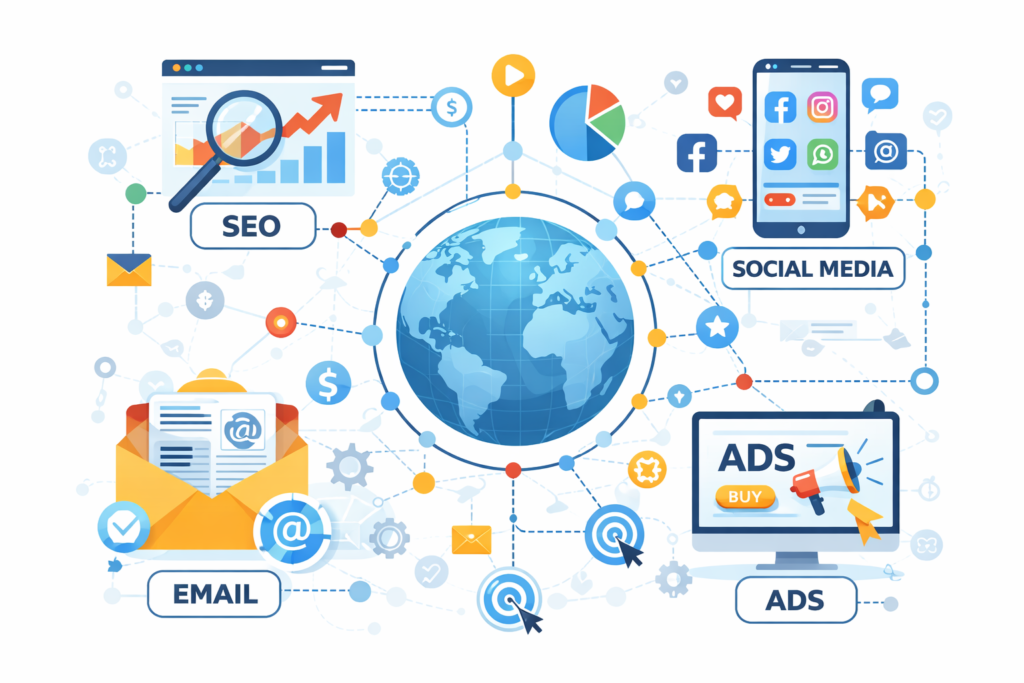
It includes various strategies such as:
- Search engine optimization (SEO)
- Social media marketing
- Paid advertising (PPC)
- Email campaigns
- Content creation
What makes digital marketing powerful is its ability to track results using Google Analytics. You can see how many people clicked your ad, visited your website, or made a purchase.
That level of insight helps businesses improve quickly and make smarter decisions.
What Is Digital Marketing? Simple Explanation With Example
Let’s break it down with a simple example.
Suppose you run an online clothing store. Here’s how digital marketing works in your case:
- You write blog posts about fashion trends (content marketing)
- You optimize your website for Google (SEO)
- You run Instagram ads targeting young audiences (social media marketing)
- You send discount emails to customers (email marketing)
Each of these actions brings people closer to buying your product.
So instead of waiting for customers to find you, digital marketing helps you reach them proactively—and more effectively.
Why Is Digital Marketing Important Today?
Shift from Traditional to Digital
The world has changed dramatically over the last decade. People now spend hours online every day—scrolling, searching, watching, and shopping.
That’s exactly why the question Why is digital marketing important today? has a simple answer: because your audience is already online.
Here are some key reasons:
- Over 5 billion people use the internet globally
- Most buyers research online before making a purchase
- Mobile usage has skyrocketed in recent years
Digital marketing changes that completely.
Traditional marketing still exists, but it lacks precision. You can’t easily measure how many people saw your billboard or acted on it.
Digital marketing changes that completely.
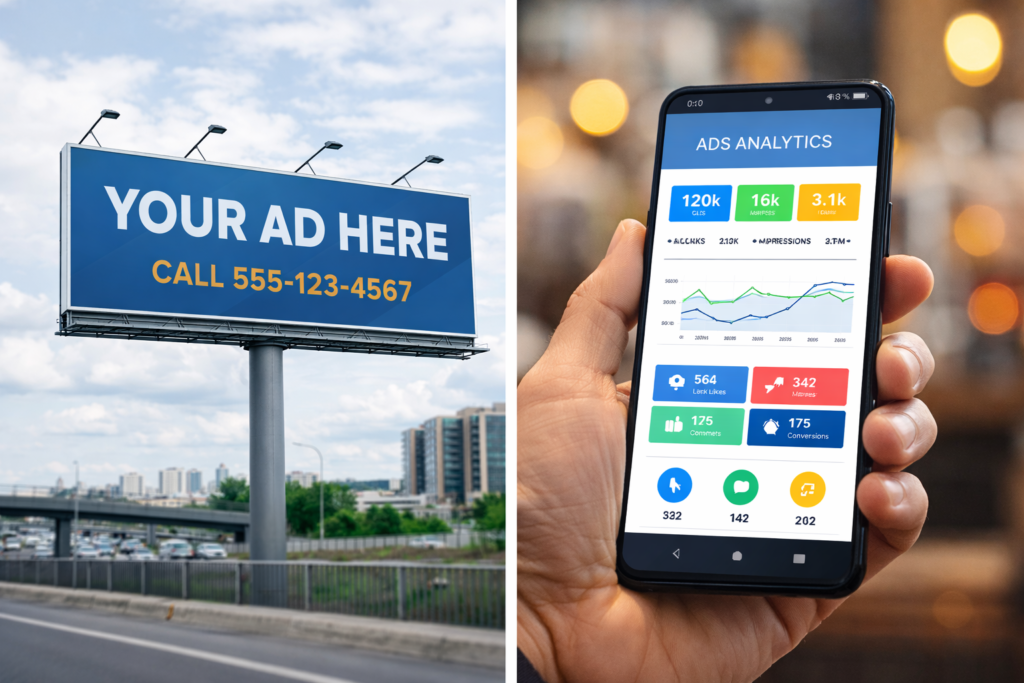
It allows businesses to:
- Target specific audiences (age, location, interests)
- Measure real-time performance
- Adjust strategies instantly
For example, if an ad isn’t performing well, you can tweak it within minutes. That level of flexibility is impossible with traditional methods.
Another major factor is cost. Digital marketing is often more affordable and delivers better ROI, especially for small businesses.
In simple terms, if your business isn’t online, it’s almost invisible to a large portion of your potential customers.
Types of Digital Marketing
Search Engine Optimization (SEO)
SEO is the backbone of digital marketing. It focuses on improving your website so it appears higher in search engine results like Google.
When someone searches “best coffee near me,” businesses optimized for SEO show up first.
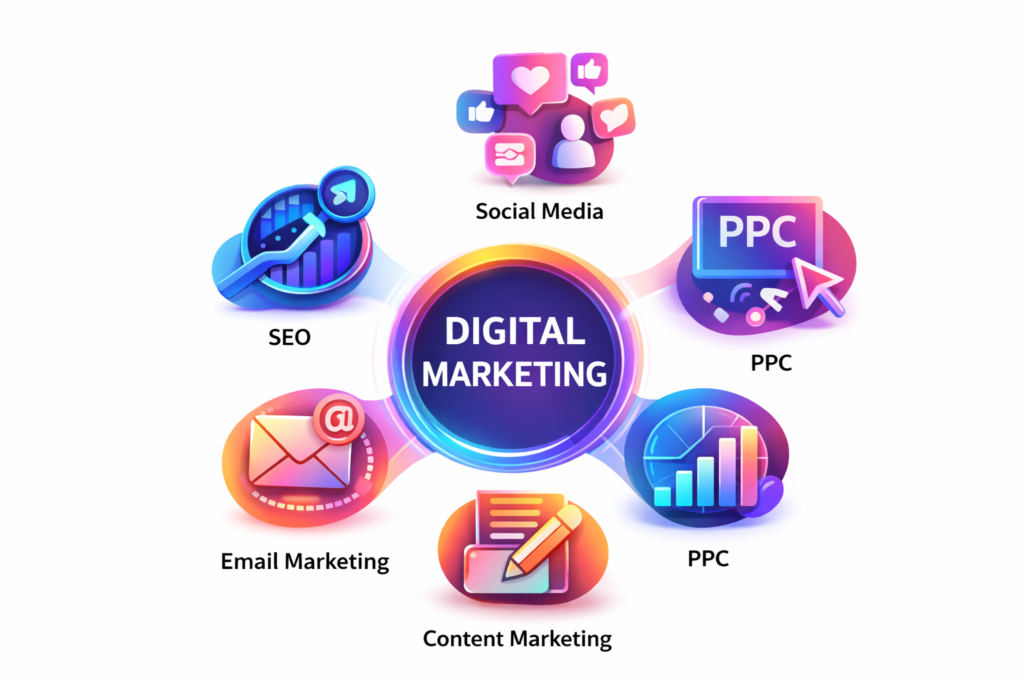
SEO includes:
- Keyword optimization
- Content creation
- Technical improvements
- Backlink building
It’s a long-term strategy but incredibly powerful.
Social Media Marketing
Social media platforms like Instagram, Facebook, LinkedIn, and TikTok have become marketing goldmines.
Businesses use them to:
- Build brand awareness
- Engage with customers
- Run targeted ads
A single viral post can bring thousands of new customers overnight
Content Marketing
Content marketing is about providing value through blogs, videos, or guides.
Instead of selling directly, you educate or entertain your audience.
This builds trust—which eventually leads to conversions.
Email Marketing
Email marketing remains one of the most effective strategies.
Sending personalized emails helps:
- Retain customers
- Increase repeat purchases
- Build long-term relationships
How Does Digital Marketing Work?
Customer Journey Explained
Digital marketing works by guiding potential customers through a journey.
It typically includes:
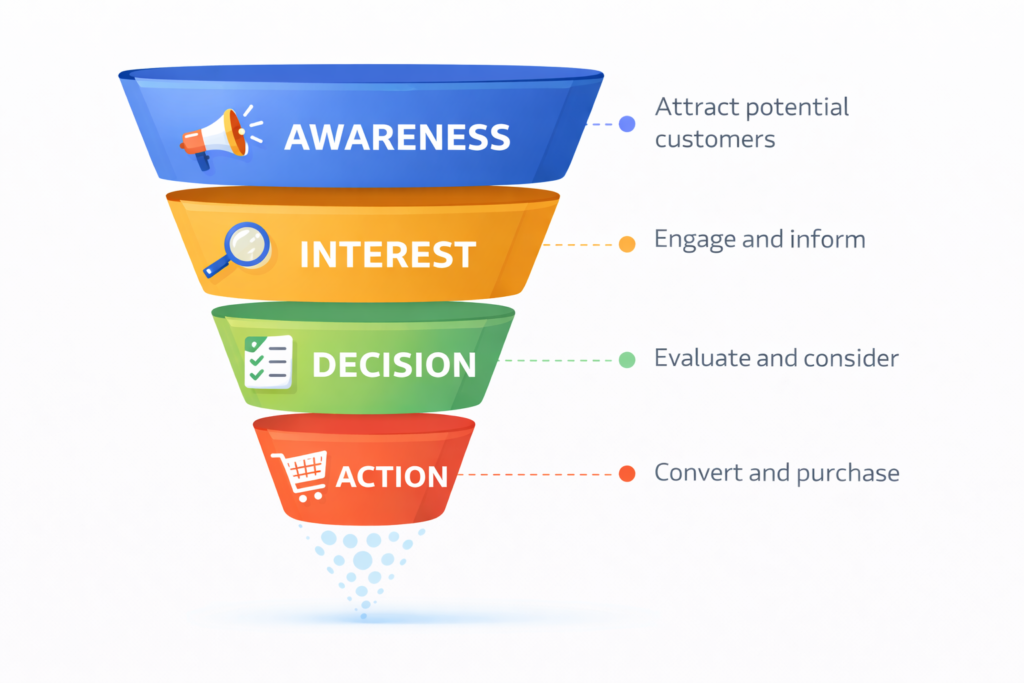
- Awareness – Customer discovers your brand
- Interest – They explore your content
- Decision – They compare options
- Action – They make a purchase
Each stage requires a different strategy.
For example, blog posts create awareness, while email offers drive conversions.
The beauty of digital marketing is that everything is connected. One channel supports another, creating a complete ecosystem.
Benefits of Digital Marketing
Cost-Effectiveness & ROI
One of the biggest benefits of digital marketing is affordability.
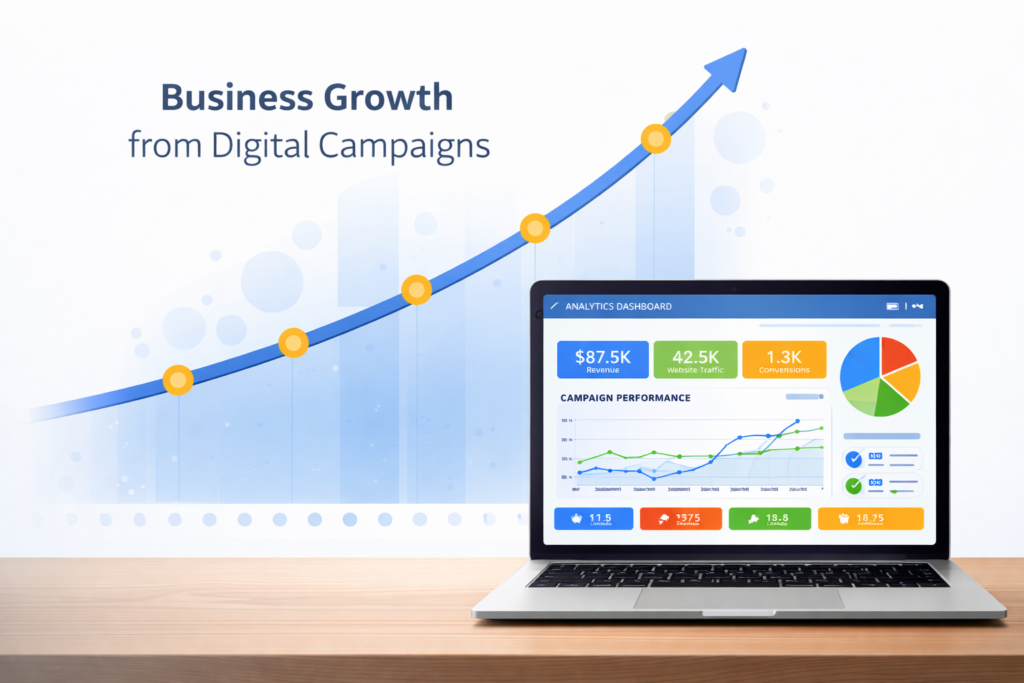
Compared to traditional methods, it offers:
- Lower costs
- Higher targeting accuracy
- Better ROI tracking
Even with a small budget, businesses can reach thousands of potential customers.
Another advantage is global reach. Businesses can connect with audiences worldwide without geographical limitations. This opens new opportunities for growth and expansion.
Another key benefit is scalability. You can start small and expand as you grow.
Challenges of Digital Marketing
Common Mistakes Businesses Make
Despite its advantages, there are several challenges of digital marketing.
Some common ones include:
- Lack of strategy
- Ignoring analytics
- Poor content quality
- Inconsistent posting

Online marketing requires patience and consistency. Quick results are rare without proper planning.
Scope of Digital Marketing
Career Opportunities
The scope of this field is massive.
Businesses across all industries need digital marketers. Career options include:
- SEO specialist
- Content writer
- Social media manager
- PPC expert
With increasing demand, it’s one of the fastest-growing career fields today.
The Future of Digital Marketing
AI and Automation Trends
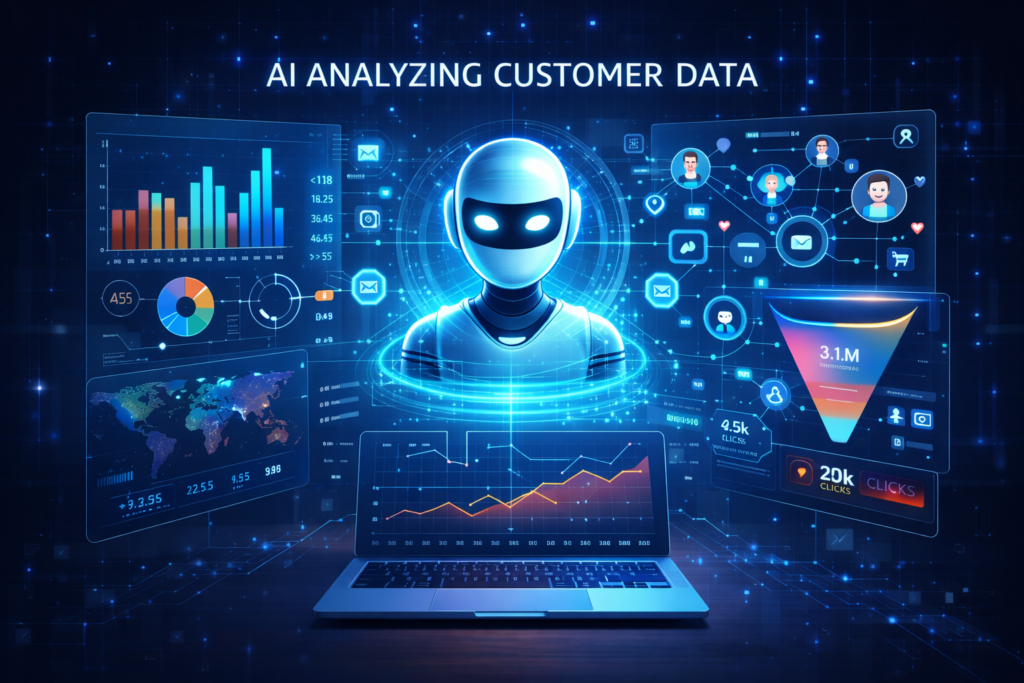
The future of online marketing is driven by AI, automation, and personalization.
Tools are becoming smarter, helping marketers:
- Predict customer behavior
- Automate campaigns
- Deliver personalized experiences
Voice search, AI chatbots, and video content are also shaping the future.
Can I Learn Digital Marketing at Home?
Step-by-Step Learning Path
Yes, absolutely. Many people ask, Can I learn this skill at home? The answer is yes—and it’s easier than ever.
Start with:
- Free online courses
- YouTube tutorials
- Practical projects

Consistency matters more than expensive degrees.
Conclusion
Digital marketing is no longer optional—it’s the backbone of modern business growth. From small startups to global brands, everyone relies on digital channels to connect with their audience, build trust, and drive sales. Understanding this concept is the first step toward unlocking countless opportunities, whether you’re a business owner, freelancer, or someone exploring a new career path.
What makes it truly powerful is its accessibility. You don’t need massive budgets or years of experience to get started. With the right strategy, consistent effort, and a willingness to learn, you can create meaningful results—even from scratch.
If you’re thinking about starting, don’t overcomplicate it. Begin with one channel, experiment, learn from mistakes, and grow gradually. The digital world rewards those who take action.
FAQs
1. What is digital marketing in simple words?
Digital marketing is the process of promoting products or services using online platforms like Google, social media, email, and websites. It helps businesses reach people where they spend most of their time—on the internet.
2. Is digital marketing a good career option?
Yes, the scope of digital marketing is growing rapidly. There is strong demand for skilled professionals across industries worldwide.
3. How does digital marketing work step by step?
It works by guiding customers through stages: awareness, interest, decision, and action. Different strategies are used at each stage to move users closer to a purchase.
4. Do small businesses really need online promotion?
Yes, even small businesses benefit by reaching local and targeted audiences, increasing visibility, and competing with larger brands.
5.What is the difference between traditional and online promotion?
Traditional methods rely on offline channels like TV and newspapers, while online promotion uses digital platforms to reach targeted audiences more efficiently and measurably.